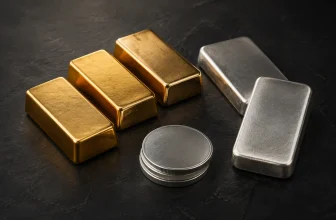
Fed Rate Hike Sends Gold and Silver Prices Lower This Week
Disclosure: This blog post was created with AI assistance. AI can be helpful, but it can make mistakes.
Key takeaways
- The Fed raised rates a quarter point on September 16, 2026, and signaled more hikes may follow this year.
- Spot gold fell toward $4,261.80 and silver toward $62.82 an ounce that afternoon, per Kitco's report.
- Sixteen of eighteen Fed officials projected at least one more rate hike by year-end, according to CNBC.
In this article
Gold and silver prices moved lower on September 16, 2026, after the Federal Reserve raised its benchmark interest rate by a quarter point and signaled that more tightening could be ahead. For physical gold and silver buyers watching the market, this kind of rate-driven pullback is a familiar pattern worth understanding rather than reacting to.
What Happened With Gold and Silver Prices
According to Kitco’s afternoon report, spot gold traded near $4,261.80 an ounce, down about 0.72% on the day, while spot silver traded near $62.82, down roughly 1.16%. The move came in late-afternoon U.S. trading following the Fed’s decision and Chair Kevin Warsh’s press conference.
Kitco noted that gold slipped toward a $4,257.42 support level while remaining below $4,313.67 resistance, and silver dropped below a $63.32 pivot point toward $62.16 support. These are short-term technical markers, not long-term price targets, and they can shift quickly as trading continues.
Why the Fed’s Decision Moved Markets
CNBC reported that the Fed’s quarter-point hike was unanimous and largely expected by markets, but Warsh’s hawkish tone caught physical gold and silver buyers off guard. The Fed’s updated projections, known as the dot plot, showed sixteen of eighteen officials expecting at least one more rate hike before year-end.
Higher interest rates tend to pressure gold and silver because they increase the appeal of interest-bearing assets like bonds. When real yields rise, holding metal that pays no interest becomes relatively less attractive to some traders, even though physical demand and long-term ownership motivations are different from short-term trading flows.
Separating Trading Moves From Physical Ownership
It helps to think of spot price like the weather and physical bullion ownership like the climate. Daily headlines about Fed decisions and yields are weather: they shift quickly and often reverse. Someone building a long-term stack of coins or bars is more focused on the climate, meaning the multi-year role metals can play in a diversified holding.
That distinction matters when reading reports like these. A single afternoon’s price movement, driven by a policy statement, does not necessarily reflect the reasons someone chooses to hold physical gold or silver over years or decades.
What This Could Mean for Physical Gold and Silver Buyers
For physical gold and silver buyers, short-term price dips tied to Fed policy are worth watching but not overreacting to. A few practical points to keep in mind:
- Spot price swings reflect paper and futures market sentiment, which can move faster than physical supply and demand.
- Checking Spot Price Charts regularly can help buyers understand context rather than reacting to a single day’s headline.
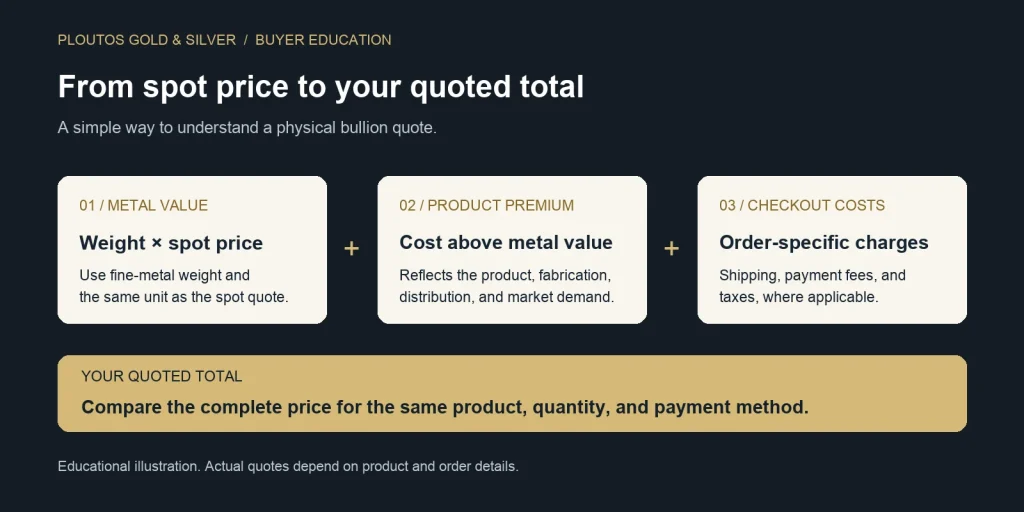
- Popular items like the 2026 1 Oz American Silver Eagle or the 1 Oz American Gold Buffalo track spot price movements but carry their own premiums based on mint production and demand.
- Some buyers use tools like Ploutos Steady Stack automatic gold and silver purchases to spread purchases over time rather than trying to time individual rate announcements.
None of this predicts where prices head next. It simply reframes a single day’s Fed-driven move as one data point among many.
Frequently Asked Questions
Why do interest rate hikes affect gold and silver prices?
Rate hikes increase yields on bonds and savings instruments, which can make non-yielding assets like gold and silver comparatively less attractive to short-term traders, often pressuring spot prices lower.
Does a spot price drop mean physical bullion is cheaper too?
Not necessarily. Physical premiums depend on mint production, product demand, and dealer inventory, so retail prices don’t always move in exact lockstep with spot price changes.
Should physical gold and silver buyers react to every Fed announcement?
Most long-term buyers view Fed-driven price swings as short-term noise rather than a signal to change their overall approach, though it’s reasonable to stay informed.
Conclusion
The September 16, 2026 rate hike and Warsh’s hawkish tone triggered a same-day pullback in gold and silver prices, as reported by both Kitco and CNBC. For physical gold and silver buyers, this is a useful reminder to separate daily market noise from long-term ownership goals, using resources like Silver Bullion Products and 100 Oz Silver Bar LBMA Brands to research options at your own pace.
Sources
Disclaimer: This blog post was created with AI assistance. AI can be a useful tool, but it can make mistakes. The content is for entertainment purposes only and is not financial, tax, or legal advice. Please call Ploutos Gold & Silver at 617-564-1630 if you have any questions.
Appointment required
Local pickup and bullion testing are by appointment only
Planning to pick up an order or ask about bullion testing in Brockton? Text or email first so we can arrange an appointment.