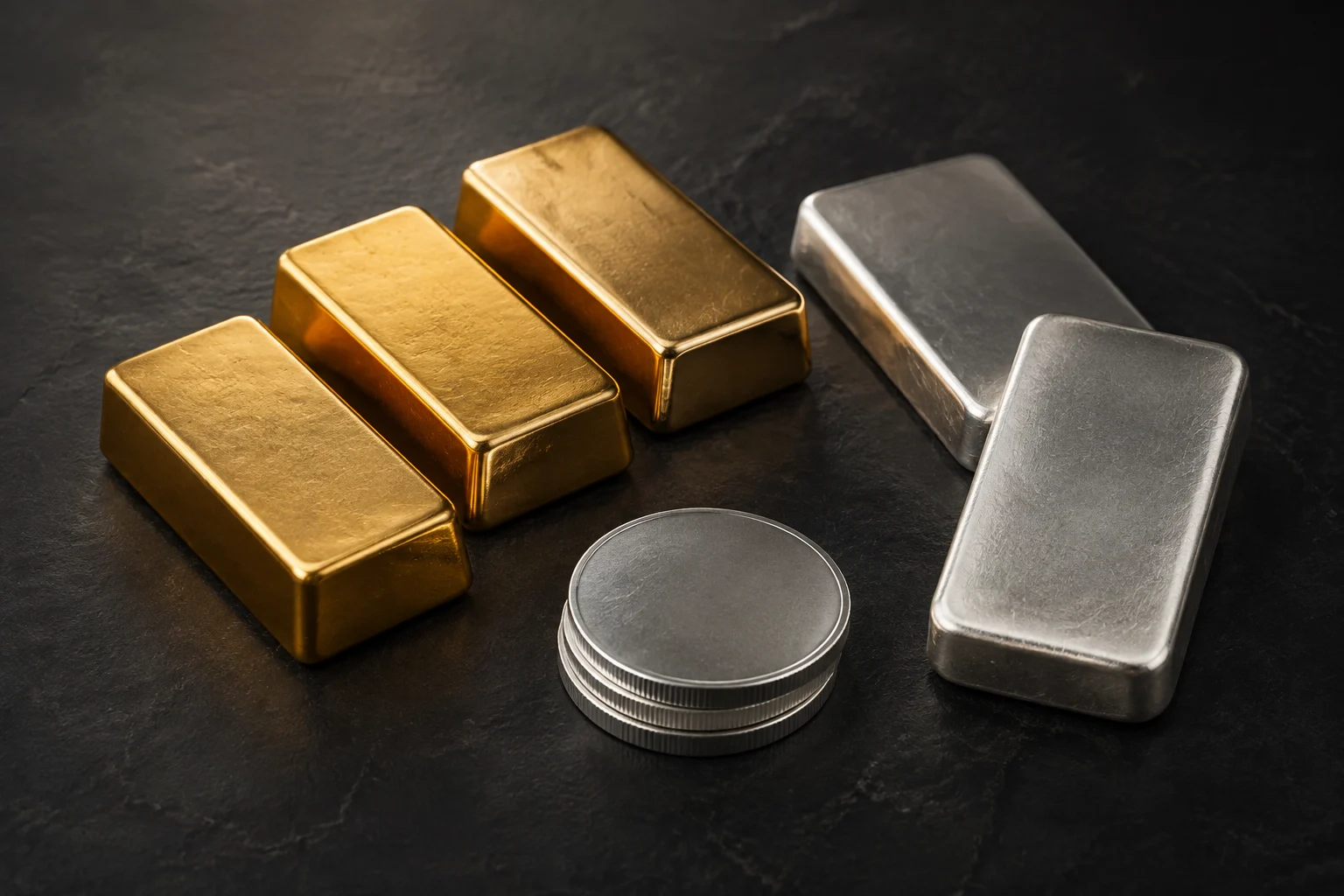
Gold Tops $4,340, Silver Jumps Past $65 After Fed Hike
Disclosure: This blog post was created with AI assistance. AI can be helpful, but it can make mistakes.
Key takeaways
- Spot gold traded near $4,341 and spot silver near $65.12 in late-afternoon trading on September 17, 2026, per Kitco.
- The rebound followed a softer dollar, lower oil prices, and easing Treasury yields after the Fed's September 16 rate hike.
- Gold needs a sustained break above resistance to confirm the move is more than short-covering, according to Kitco's technical outlook.
In this article
Gold and silver prices rebounded sharply on Thursday, September 17, 2026, as a softer U.S. dollar, falling oil prices, and easing Treasury yields gave precious metals room to recover from the prior day’s Federal Reserve selloff. According to Kitco’s afternoon report, spot gold traded near $4,341.20 an ounce, up 1.83% on the day, while spot silver climbed to $65.12, up 3.59%. For physical gold and silver buyers watching these swings, the day offered a useful lesson in how quickly the metals can move when several market forces shift at once.
What Happened After the Fed’s Rate Hike
The rally came one day after the Federal Reserve raised its target rate by 25 basis points to a range of 3.75% to 4.00%, its first hike in this cycle addressed in these reports. Per CNBC’s coverage of the September 16 decision, the vote was unanimous, and officials’ dot plot showed most policymakers expecting at least one more increase this year. Markets initially reacted negatively, with the Dow falling 631 points and short-term yields jumping.
By Thursday, though, conditions eased. Kitco reported the 10-year Treasury yield slipped to 4.93% from 5.01%, and the dollar retreated from its Fed-driven gain. Falling oil prices, tied partly to easing supply concerns around the Strait of Hormuz, also reduced inflation worries and helped both stocks and bullion recover.
Why Rates, Oil, and the Dollar Matter for Bullion
Gold and silver don’t move in a vacuum. Higher interest rates typically raise the appeal of interest-bearing assets relative to metals that pay no yield, which is why Wednesday’s hike initially pressured prices. But when oil prices fall and yields ease, as they did Thursday, the opposing pressure lifts, and gold and silver can regain ground quickly.
Think of it like a seesaw with several people sitting on each side. The Fed’s hike put weight on one side, but a softer dollar, lower oil, and calmer yields added enough counterweight on the other side to tip the balance back toward gold and silver, at least for a session. Kitco noted gold still needs a sustained break above resistance near $4,354 to confirm the move is more than short-covering, and silver needs to clear resistance near $65.73 to $66.99.
What This Could Mean for Physical Gold and Silver Buyers
Day-to-day price swings like these are a normal part of owning physical metal, not a signal to react impulsively. A few practical points worth considering:
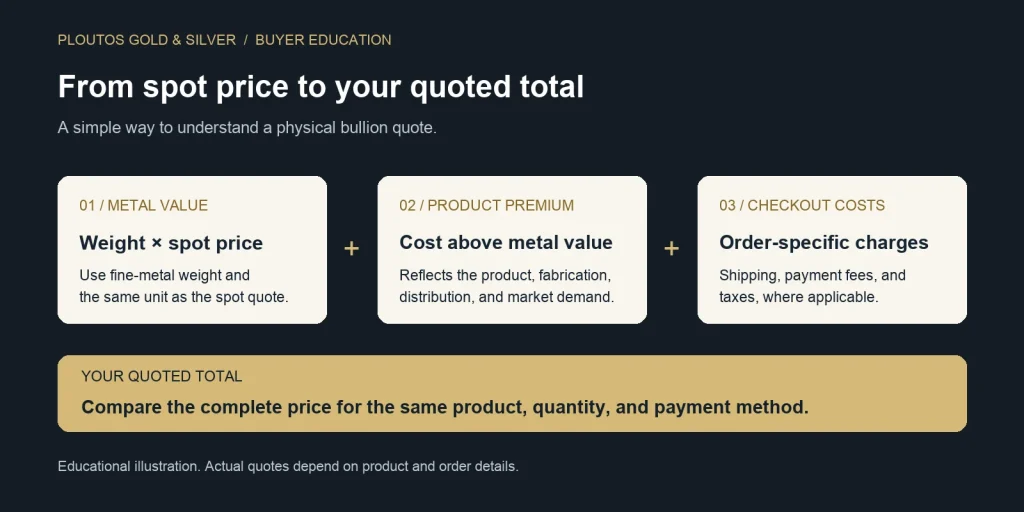
- Spot price moves reflect paper market trading and don’t always translate one-to-one into retail premiums on physical coins and bars.
- Checking a live reference, such as the Spot Price Charts, before making a decision can help buyers see where current levels sit relative to recent resistance and support.
- Some buyers use a systematic approach, like the Ploutos Steady Stack automatic gold and silver purchases option, to spread purchases across different price points over time rather than trying to time a single day’s move.
For those exploring specific products, options such as the 1 Oz American Gold Buffalo or the 2026 1 Oz American Silver Eagle remain widely recognized choices for building a physical holding, regardless of short-term volatility.
A Quick Myth-Versus-Fact Check
Myth: A single day’s rebound means the metals are guaranteed to keep climbing. Fact: Kitco’s own technical framing treats Thursday’s move as conditional, noting gold and silver both need to clear specific resistance levels before the bounce is confirmed as more than a short-term reaction to the Fed decision.
Frequently Asked Questions
Did the Fed’s rate hike cause gold to fall?
The hike initially pressured markets broadly on September 16, but by September 17 gold and silver had rebounded as oil, yields, and the dollar moved in the opposite direction, according to Kitco.
Is $4,340 gold a record price?
The reporting describes a same-week rebound to that level, not a confirmed all-time record; readers should treat it as a reported price point rather than a milestone claim.
How can buyers track these moves themselves?
Reviewing a live reference like the Spot Price Charts, alongside product pages for items such as the 100 Oz Silver Bar LBMA Brands, offers a straightforward starting point.
Ultimately, this rebound underscores how interconnected rates, oil, and currency markets are with bullion prices. Physical gold and silver buyers who focus on long-term goals, rather than single-session swings, tend to navigate volatility with more confidence.
Sources
Disclaimer: This blog post was created with AI assistance. AI can be a useful tool, but it can make mistakes. The content is for entertainment purposes only and is not financial, tax, or legal advice. Please call Ploutos Gold & Silver at 617-564-1630 if you have any questions.
Appointment required
Local pickup and bullion testing are by appointment only
Planning to pick up an order or ask about bullion testing in Brockton? Text or email first so we can arrange an appointment.