Where to Buy Gold and Silver Near Me in Massachusetts and Rhode Island: Safe Buyer Checklist
Quick answer: The safest place to buy gold and silver near you is a dealer that gives clear pricing, explains premiums over spot, verifies authenticity, publishes real contact information, and lets you compare coins, bars, and rounds before you buy. For buyers in Massachusetts and Rhode Island, Ploutos Gold & Silver serves local pickup by appointment from Brockton, MA and also ships insured orders nationwide.
Search behavior shows that buyers often ask direct questions like who buys silver near me, silver for sale near me, where to buy gold near me, and how do I know if a bullion dealer is trustworthy. Those are practical questions. The best answer is not just a list of stores. It is a process for avoiding high-pressure sales, fake discounts, hidden fees, and products that do not match your goals.
What should you look for in a local gold and silver dealer?
Look for a dealer that makes the buying process easy to understand before you hand over money. A good local bullion dealer should be willing to explain the difference between spot price and retail price, show the product type clearly, answer questions about liquidity, and describe how authenticity is checked. If a dealer will not explain pricing or pushes you to make a same-day decision, that is a reason to slow down.
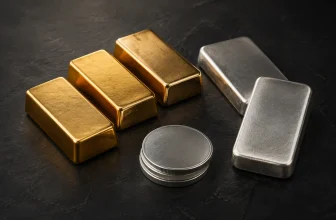
For common bullion buyers, the most useful products are usually recognizable coins, bars, and rounds from established mints and refiners. The U.S. Mint explains that bullion coins are valued mainly by metal weight and fineness, while numismatic coins can also be priced for rarity, condition, age, and collector demand. That distinction matters because a new buyer looking for metal exposure may not want to pay large collectible premiums unless they understand why those premiums exist.
How do gold and silver prices work?
Gold and silver bullion are usually priced from the live spot market plus a dealer premium. Spot is the wholesale market reference price for the metal. The premium covers manufacturing, mint distribution, dealer inventory costs, payment processing, shipping, insurance, and normal business margin. A premium is not automatically bad. It becomes a problem when it is not explained, is far above comparable products, or is hidden in language like “discounted” or “exclusive” without a clear breakdown.
When comparing dealers, ask for the total out-the-door cost, not just the advertised metal price. If you are buying online, check whether shipping, insurance, credit card fees, wire requirements, and local pickup rules are included or separate. If you are buying in person, ask whether the quoted price is locked at the time of purchase or changes with the market.
How can you avoid gold and silver scams?
The safest approach is to avoid pressure. The CFTC warns that precious metals fraud can involve overpriced coins, hidden fees, high commissions, and sales pitches that target fear. Be especially careful with unsolicited calls, urgent retirement-account pitches, guaranteed profit claims, or any seller that tells you not to compare prices.
A safer buyer checklist:
- Compare the product premium against similar bullion products.
- Ask whether the item is bullion, semi-numismatic, or collectible.
- Confirm the dealer’s address, phone number, and business identity.
- Ask how the product is tested or sourced.
- Use insured shipping or scheduled local pickup.
- Keep invoices and order confirmations for your records.
- Avoid sellers who promise guaranteed returns.
Is it better to buy locally or online?
Buying locally can be useful when you want face-to-face service, product education, local pickup, or help understanding a collection. Buying online can be convenient when inventory is clear, pricing is live, checkout is secure, and shipping is insured. Many buyers use both. The better question is whether the dealer gives you transparent pricing and reliable fulfillment.
Ploutos Gold & Silver supports both use cases. Local buyers can use the contact page to ask about pickup by appointment, while online buyers can browse the gold and silver bullion shop. The site also has a broader online bullion buying guide and a safe gold and silver dealer guide for Massachusetts and Rhode Island.
What questions should you ask before buying?
What is the total price over spot?
Ask for the final premium and total cost before payment. This helps you compare products fairly.
Is this bullion or a collectible coin?
Bullion is usually bought for metal content. Collectible coins may carry extra value, but they also require more specialized knowledge.
How is authenticity verified?
Ask whether the dealer uses visual inspection, weight and dimension checks, or electronic testing. Ploutos offers bullion testing information on its gold and silver testing page.
Can I sell it later?
Common coins and bars from recognized mints are generally easier to resell than obscure products. Liquidity should be part of the purchase decision.
Do you offer insured shipping or local pickup?
For physical metals, delivery and custody matter. Confirm how the order gets from the dealer to you.
Bottom line
If you are searching for a gold or silver dealer near you in Massachusetts or Rhode Island, focus on transparency, authenticity, product fit, and delivery safety. Price matters, but the cheapest listing is not always the safest purchase. Work with a dealer that will answer questions plainly and document the transaction.
Educational note: This article is for general bullion education and is not individualized financial advice.
Sources and further reading: U.S. Mint bullion coin guide, CFTC precious metals fraud warning, AnswerThePublic silver search questions.
Appointment required
Local pickup and bullion testing are by appointment only
Planning to pick up an order or ask about bullion testing in Brockton? Text or email first so we can arrange an appointment.