How Do I Start Investing in Gold and Silver?
Short answer: Start investing in gold and silver by setting a budget, checking the live spot price, choosing recognizable bullion products, comparing premiums, planning storage, and buying from a dealer that clearly explains the full cost. Do not start with rare coins, leverage, or high-pressure sales pitches.
Written by Mr. Ploutos Bullion for Ploutos Gold & Silver LLC.
This is one of the highest-intent questions a new buyer can ask. Someone asking how to start is usually past curiosity and close to taking action. The goal is to make the first purchase clear, safe, and useful.
Step 1: Decide why you are buying
Buyers usually want physical gold and silver for one or more reasons: diversification, inflation concern, privacy, tangible ownership, long-term savings, or the ability to hold an asset outside a purely digital account. Your reason affects product choice. A buyer focused on compact value may prefer gold. A buyer focused on building ounces at a lower entry price may prefer silver.
Step 2: Learn spot price and premium
Spot price is the market reference price for the metal. Retail bullion usually costs spot plus a premium. That premium can include minting, distribution, payment processing, inventory, shipping, insurance, and dealer margin. A premium is normal. A hidden or unexplained premium is the problem.
Before buying, compare products against the current gold and silver spot chart. Then look at the total price you will pay, including payment method, shipping, insurance, and pickup rules.
Step 3: Start with recognizable products
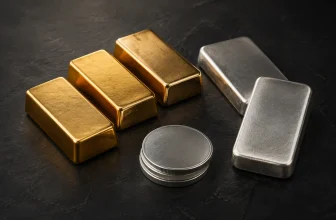
For most beginners, good first products include one-ounce silver coins, silver rounds, 10 oz silver bars, one-ounce gold coins, fractional gold coins, and common gold bars. The U.S. Mint explains that bullion coins are valued mainly by metal weight and fineness, while collectible coins can depend on rarity, age, condition, and collector demand. Beginners should understand that difference before paying extra.
Step 4: Make a first purchase small enough to learn
Your first purchase should teach you the process. You should learn how pricing updates, how checkout works, what documentation you receive, how delivery or pickup is handled, and how storage feels in practice. Once the process is familiar, larger purchases are easier to evaluate.
If you prefer to build gradually after learning the process, Ploutos Steady Stack automatic gold and silver purchases lets eligible customers choose an approved product and purchase schedule; the price is recorded when each scheduled purchase executes.
Step 5: Store and document your metals
Keep receipts, order confirmations, product details, and photos if appropriate. Store metals in a secure place with limited access. For larger holdings, consider whether home storage, a safe deposit box, or insured private storage fits your situation. The right answer depends on privacy, access, insurance, and total value.
Step 6: Use a dealer that answers questions clearly
A good dealer should be comfortable explaining spot, premiums, product types, shipping, pickup, and testing. Ploutos Gold & Silver provides online ordering through the bullion shop, local pickup by appointment through the contact page, and education on gold and silver testing.
Bottom line
Start small, buy recognizable bullion, compare premiums, keep records, and work with a dealer that is transparent before payment. The first goal is not to become an expert in one day. The first goal is to avoid avoidable mistakes.
Educational note: This article is general bullion education, not individualized financial advice.
Sources and further reading: AnswerThePublic silver questions, U.S. Mint bullion coin guide, Investor.gov asset allocation and diversification.
Appointment required
Local pickup and bullion testing are by appointment only
Planning to pick up an order or ask about bullion testing in Brockton? Text or email first so we can arrange an appointment.